






Das Raumwerk D – Düsseldorfs städtebauliches Entwicklungskonzept
Client: Landeshauptstadt Düsseldorf, Der Oberbürgermeister Stadtplanungsamt
Year: 2025
Medium: 3 Book Slipcase
Isbn: 978-3-95476-786-1
get a copy here
Redaktion: Ira Freude, Ulrike Geßner, Anna Schreilechner, Charlotte Selter, Leif von Nethen und
projektbüro
Illustrations: Cristina Estanislao,
Editing / Lektorat: Anna Richter
Das Raumwerk D – Düsseldorfs städtebauliches Entwicklungskonzept
Client: Landeshauptstadt Düsseldorf, Der Oberbürgermeister Stadtplanungsamt
Year: 2025
Medium: 3 Book Slipcase
Isbn: 978-3-95476-786-1
get a copy here
Redaktion: Ira Freude, Ulrike Geßner, Anna Schreilechner, Charlotte Selter, Leif von Nethen und
projektbüro
Illustrations: Cristina Estanislao,
Editing / Lektorat: Anna Richter
Das Raumwerk D – Düsseldorfs städtebauliches Entwicklungskonzept
Client: Landeshauptstadt Düsseldorf, Der Oberbürgermeister Stadtplanungsamt
Year: 2025
Medium: 3 Book Slipcase
Isbn: 978-3-95476-786-1
get a copy here
Redaktion: Ira Freude, Ulrike Geßner, Anna Schreilechner, Charlotte Selter, Leif von Nethen und
projektbüro
Illustrations: Cristina Estanislao,
Editing / Lektorat: Anna Richter
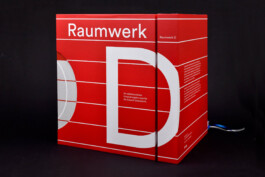
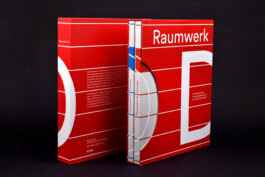
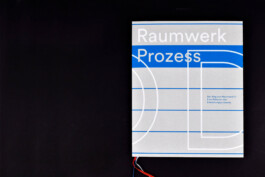
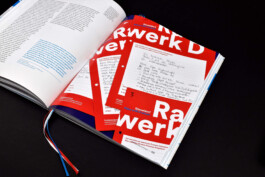
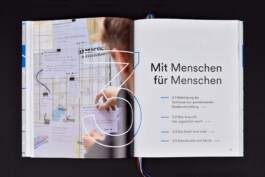
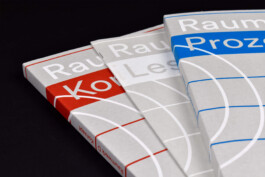
The publication examines the content from three perspectives: it presents the concept, tells the story of its origins, and offers a reading guide that facilitates access to the content and context of the technical material. These three parts are compiled into three books in a slipcase. Within the shared graphic language, each part has its own color scheme and design.
The publication examines the content from three perspectives: it presents the concept, tells the story of its origins, and offers a reading guide that facilitates access to the content and context of the technical material. These three parts are compiled into three books in a slipcase. Within the shared graphic language, each part has its own color scheme and design.
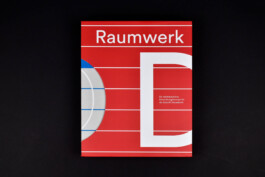
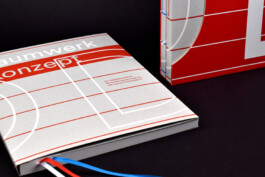
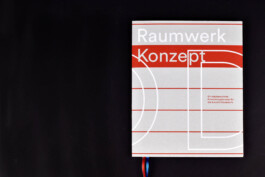
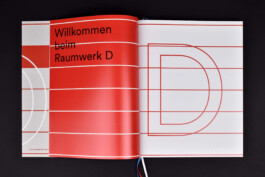
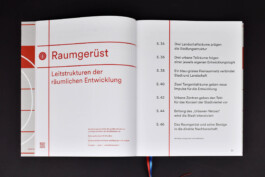
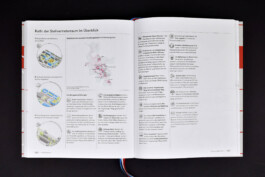
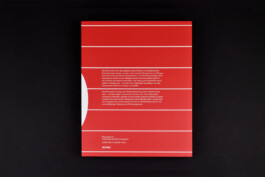
The concept—in red—comprises the collected, complex map material. The horizontal lines divide the pages into six sections, based on the content, which consists of six parts. The six-part division runs through all three publications, and content can be placed side by side accordingly.
The concept—in red—comprises the collected, complex map material. The horizontal lines divide the pages into six sections, based on the content, which consists of six parts. The six-part division runs through all three publications, and content can be placed side by side accordingly.
The concept—in red—comprises the collected, complex map material. The horizontal lines divide the pages into six sections, based on the content, which consists of six parts. The six-part division runs through all three publications, and content can be placed side by side accordingly.
The concept—in red—comprises the collected, complex map material. The horizontal lines divide the pages into six sections, based on the content, which consists of six parts. The six-part division runs through all three publications, and content can be placed side by side accordingly.
The concept—in red—comprises the collected, complex map material. The horizontal lines divide the pages into six sections, based on the content, which consists of six parts. The six-part division runs through all three publications, and content can be placed side by side accordingly.
The concept—in red—comprises the collected, complex map material. The horizontal lines divide the pages into six sections, based on the content, which consists of six parts. The six-part division runs through all three publications, and content can be placed side by side accordingly.
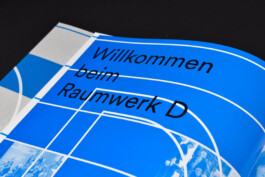
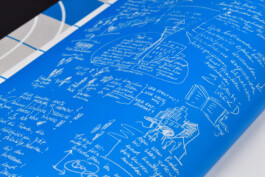
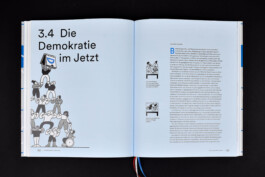
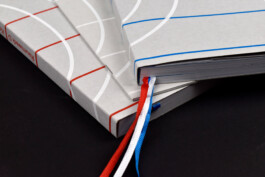
In the process—in blue—articles, interviews, illustrations and photo series show how the participation process took place. Elements such as lines, ribbon markers, and Swiss binding make the books ideal visual aids and tools for urban planning.
In the process—in blue—articles, interviews, illustrations and photo series show how the participation process took place. Elements such as lines, ribbon markers, and Swiss binding make the books ideal visual aids and tools for urban planning.
In the process—in blue—articles, interviews, illustrations and photo series show how the participation process took place. Elements such as lines, ribbon markers, and Swiss binding make the books ideal visual aids and tools for urban planning.
In the process—in blue—articles, interviews, illustrations and photo series show how the participation process took place. Elements such as lines, ribbon markers, and Swiss binding make the books ideal visual aids and tools for urban planning.
In the process—in blue—articles, interviews, illustrations and photo series show how the participation process took place. Elements such as lines, ribbon markers, and Swiss binding make the books ideal visual aids and tools for urban planning.
In the process—in blue—articles, interviews, illustrations and photo series show how the participation process took place. Elements such as lines, ribbon markers, and Swiss binding make the books ideal visual aids and tools for urban planning.
In the process—in blue—articles, interviews, illustrations and photo series show how the participation process took place. Elements such as lines, ribbon markers, and Swiss binding make the books ideal visual aids and tools for urban planning.
In the process—in blue—articles, interviews, illustrations and photo series show how the participation process took place. Elements such as lines, ribbon markers, and Swiss binding make the books ideal visual aids and tools for urban planning.
In the process—in blue—articles, interviews, illustrations and photo series show how the participation process took place. Elements such as lines, ribbon markers, and Swiss binding make the books ideal visual aids and tools for urban planning.
In the process—in blue—articles, interviews, illustrations and photo series show how the participation process took place. Elements such as lines, ribbon markers, and Swiss binding make the books ideal visual aids and tools for urban planning.
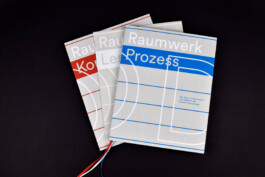
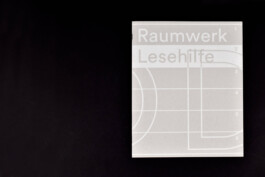
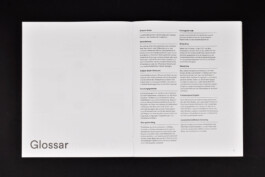
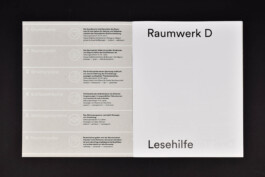
The reading aid—in gray—connects the publications with each other. The fold-out cardboard pages provide a brief overview of the six sections of content. There is also a glossary. The cardboard used for all covers represents an open, unmasked approach.
The reading aid—in gray—connects the publications with each other. The fold-out cardboard pages provide a brief overview of the six sections of content. There is also a glossary. The cardboard used for all covers represents an open, unmasked approach.
The reading aid—in gray—connects the publications with each other. The fold-out cardboard pages provide a brief overview of the six sections of content. There is also a glossary. The cardboard used for all covers represents an open, unmasked approach.
The publication examines the content from three perspectives: it presents the concept, tells the story of its origins, and offers a reading guide that facilitates access to the content and context of the technical material. These three parts are compiled into three books in a slipcase. Within the shared graphic language, each part has its own color scheme and design.
The publication examines the content from three perspectives: it presents the concept, tells the story of its origins, and offers a reading guide that facilitates access to the content and context of the technical material. These three parts are compiled into three books in a slipcase. Within the shared graphic language, each part has its own color scheme and design.
The publication examines the content from three perspectives: it presents the concept, tells the story of its origins, and offers a reading guide that facilitates access to the content and context of the technical material. These three parts are compiled into three books in a slipcase. Within the shared graphic language, each part has its own color scheme and design.
The publication examines the content from three perspectives: it presents the concept, tells the story of its origins, and offers a reading guide that facilitates access to the content and context of the technical material. These three parts are compiled into three books in a slipcase. Within the shared graphic language, each part has its own color scheme and design.
Das Raumwerk D – Düsseldorfs städtebauliches Entwicklungskonzept
Client: Landeshauptstadt Düsseldorf, Der Oberbürgermeister Stadtplanungsamt
Year: 2025
Medium: 3 Book Slipcase
Isbn: 978-3-95476-786-1
get a copy here
Redaktion: Ira Freude, Ulrike Geßner, Anna Schreilechner, Charlotte Selter, Leif von Nethen und
projektbüro
Illustrations: Cristina Estanislao,
Editing / Lektorat: Anna Richter
Das Raumwerk D – Düsseldorfs städtebauliches Entwicklungskonzept
Client: Landeshauptstadt Düsseldorf, Der Oberbürgermeister Stadtplanungsamt
Year: 2025
Medium: 3 Book Slipcase
Isbn: 978-3-95476-786-1
get a copy here
Redaktion: Ira Freude, Ulrike Geßner, Anna Schreilechner, Charlotte Selter, Leif von Nethen und
projektbüro
Illustrations: Cristina Estanislao,
Editing / Lektorat: Anna Richter
Das Raumwerk D – Düsseldorfs städtebauliches Entwicklungskonzept
Client: Landeshauptstadt Düsseldorf, Der Oberbürgermeister Stadtplanungsamt
Year: 2025
Medium: 3 Book Slipcase
Isbn: 978-3-95476-786-1
get a copy here
Redaktion: Ira Freude, Ulrike Geßner, Anna Schreilechner, Charlotte Selter, Leif von Nethen und
projektbüro
Illustrations: Cristina Estanislao,
Editing / Lektorat: Anna Richter
The publication examines the content from three perspectives: it presents the concept, tells the story of its origins, and offers a reading guide that facilitates access to the content and context of the technical material. These three parts are compiled into three books in a slipcase. Within the shared graphic language, each part has its own color scheme and design.
The publication examines the content from three perspectives: it presents the concept, tells the story of its origins, and offers a reading guide that facilitates access to the content and context of the technical material. These three parts are compiled into three books in a slipcase. Within the shared graphic language, each part has its own color scheme and design.
The concept—in red—comprises the collected, complex map material. The horizontal lines divide the pages into six sections, based on the content, which consists of six parts. The six-part division runs through all three publications, and content can be placed side by side accordingly.
The concept—in red—comprises the collected, complex map material. The horizontal lines divide the pages into six sections, based on the content, which consists of six parts. The six-part division runs through all three publications, and content can be placed side by side accordingly.
The concept—in red—comprises the collected, complex map material. The horizontal lines divide the pages into six sections, based on the content, which consists of six parts. The six-part division runs through all three publications, and content can be placed side by side accordingly.
The concept—in red—comprises the collected, complex map material. The horizontal lines divide the pages into six sections, based on the content, which consists of six parts. The six-part division runs through all three publications, and content can be placed side by side accordingly.
The concept—in red—comprises the collected, complex map material. The horizontal lines divide the pages into six sections, based on the content, which consists of six parts. The six-part division runs through all three publications, and content can be placed side by side accordingly.
The concept—in red—comprises the collected, complex map material. The horizontal lines divide the pages into six sections, based on the content, which consists of six parts. The six-part division runs through all three publications, and content can be placed side by side accordingly.
In the process—in blue—articles, interviews, illustrations and photo series show how the participation process took place. Elements such as lines, ribbon markers, and Swiss binding make the books ideal visual aids and tools for urban planning.
In the process—in blue—articles, interviews, illustrations and photo series show how the participation process took place. Elements such as lines, ribbon markers, and Swiss binding make the books ideal visual aids and tools for urban planning.
In the process—in blue—articles, interviews, illustrations and photo series show how the participation process took place. Elements such as lines, ribbon markers, and Swiss binding make the books ideal visual aids and tools for urban planning.
In the process—in blue—articles, interviews, illustrations and photo series show how the participation process took place. Elements such as lines, ribbon markers, and Swiss binding make the books ideal visual aids and tools for urban planning.
In the process—in blue—articles, interviews, illustrations and photo series show how the participation process took place. Elements such as lines, ribbon markers, and Swiss binding make the books ideal visual aids and tools for urban planning.
In the process—in blue—articles, interviews, illustrations and photo series show how the participation process took place. Elements such as lines, ribbon markers, and Swiss binding make the books ideal visual aids and tools for urban planning.
In the process—in blue—articles, interviews, illustrations and photo series show how the participation process took place. Elements such as lines, ribbon markers, and Swiss binding make the books ideal visual aids and tools for urban planning.
In the process—in blue—articles, interviews, illustrations and photo series show how the participation process took place. Elements such as lines, ribbon markers, and Swiss binding make the books ideal visual aids and tools for urban planning.
In the process—in blue—articles, interviews, illustrations and photo series show how the participation process took place. Elements such as lines, ribbon markers, and Swiss binding make the books ideal visual aids and tools for urban planning.
In the process—in blue—articles, interviews, illustrations and photo series show how the participation process took place. Elements such as lines, ribbon markers, and Swiss binding make the books ideal visual aids and tools for urban planning.
The reading aid—in gray—connects the publications with each other. The fold-out cardboard pages provide a brief overview of the six sections of content. There is also a glossary. The cardboard used for all covers represents an open, unmasked approach.
The reading aid—in gray—connects the publications with each other. The fold-out cardboard pages provide a brief overview of the six sections of content. There is also a glossary. The cardboard used for all covers represents an open, unmasked approach.
The reading aid—in gray—connects the publications with each other. The fold-out cardboard pages provide a brief overview of the six sections of content. There is also a glossary. The cardboard used for all covers represents an open, unmasked approach.
The publication examines the content from three perspectives: it presents the concept, tells the story of its origins, and offers a reading guide that facilitates access to the content and context of the technical material. These three parts are compiled into three books in a slipcase. Within the shared graphic language, each part has its own color scheme and design.
The publication examines the content from three perspectives: it presents the concept, tells the story of its origins, and offers a reading guide that facilitates access to the content and context of the technical material. These three parts are compiled into three books in a slipcase. Within the shared graphic language, each part has its own color scheme and design.
The publication examines the content from three perspectives: it presents the concept, tells the story of its origins, and offers a reading guide that facilitates access to the content and context of the technical material. These three parts are compiled into three books in a slipcase. Within the shared graphic language, each part has its own color scheme and design.
The publication examines the content from three perspectives: it presents the concept, tells the story of its origins, and offers a reading guide that facilitates access to the content and context of the technical material. These three parts are compiled into three books in a slipcase. Within the shared graphic language, each part has its own color scheme and design.